 English
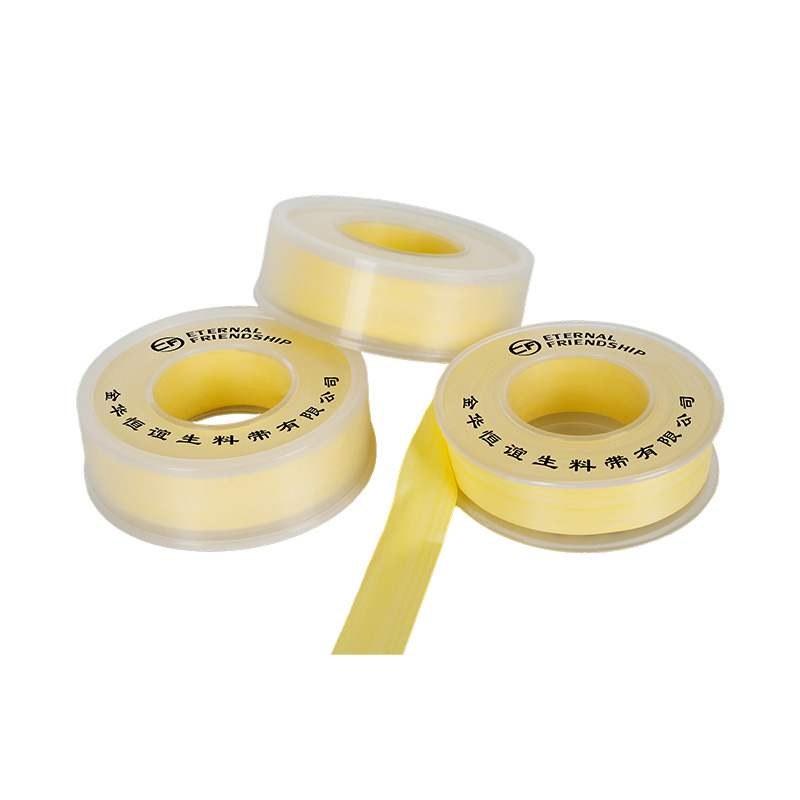
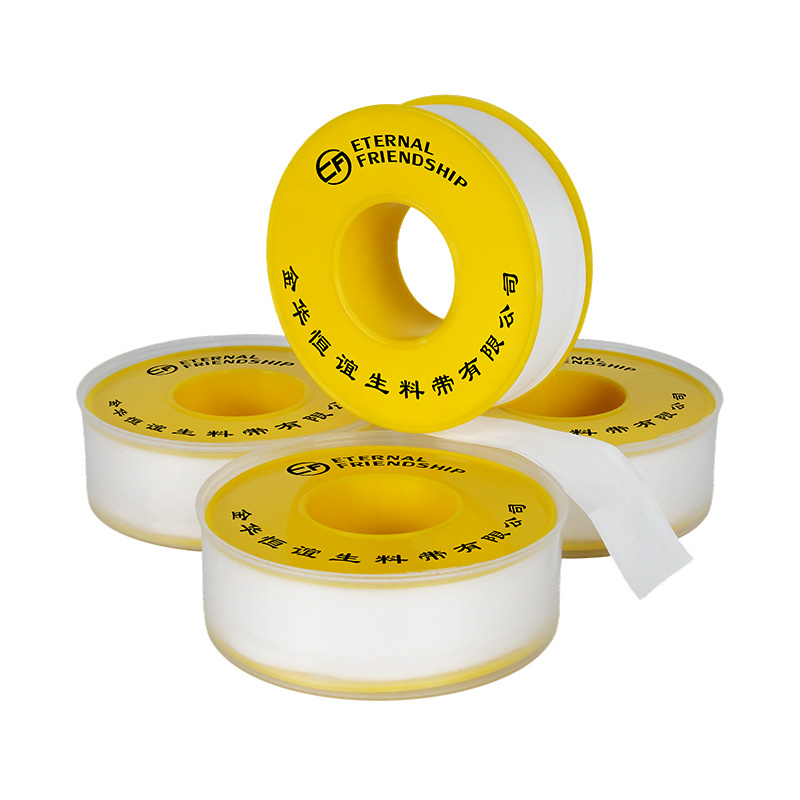
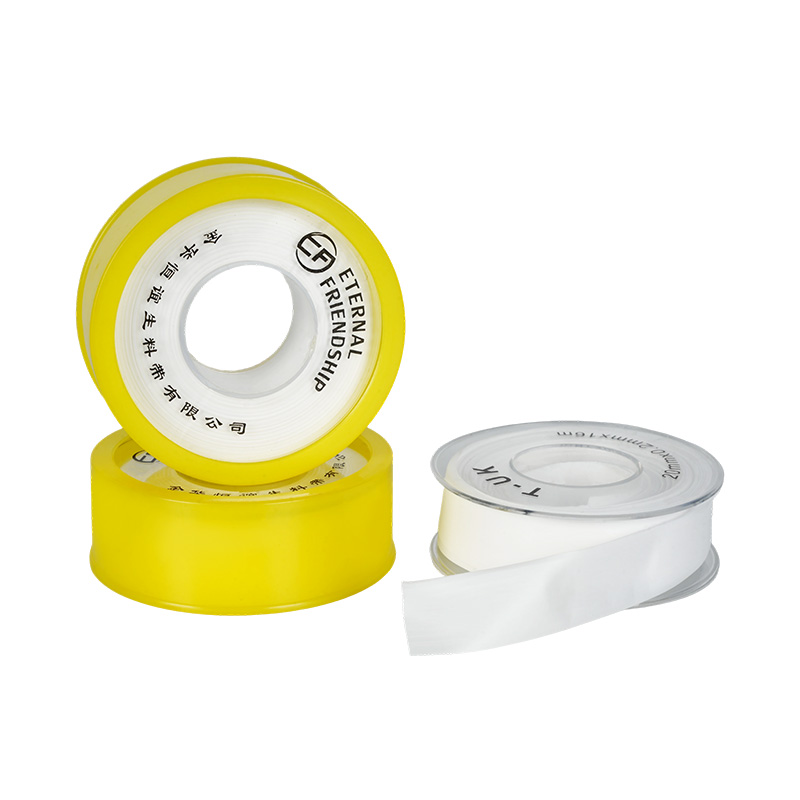
Yellow PTFE (polytetrafluoroethylene) gas tape is a specialized sealing material designed for piping systems carrying flammable, high-pressure gases such as natural gas, liquefied petroleum gas (LPG), and butane. In the piping industry, the color of the tape serves not only as an identifier but also as a critical safety indicator. Given its material properties and the operational demands of gas systems, this yellow tape offers the following distinct features:
1. Ultra-high density and impermeable structure
Unlike the white tape used for standard water pipes, yellow gas tape is classified as high-density or "full-density" (Grade 3). Because natural gas and propane molecules are significantly smaller and more volatile than water molecules, this dense structure creates a robust, impermeable physical barrier that effectively blocks the penetration of tiny gas molecules, thereby preventing slow, chronic leaks.
2. Superior chemical and degradation resistance
Utility-grade natural gas often contains specific hydrocarbons and odorants (such as mercaptans). Yellow gas tape is specially formulated and tested to remain highly inert when exposed to these fuel gases, as well as any oils or chemicals they may contain. It resists degradation, swelling, and embrittlement during prolonged exposure to the gas stream, ensuring a durable seal.
3. Increased thickness and pressure-bearing capacity
Its greater thickness and strength allow the yellow tape to withstand tearing and extrusion forces during the threading and tightening process. It effectively fills the microscopic spiral leak paths inherent in tapered pipe threads—as well as larger imperfections—maintaining a reliable, leak-proof seal even under extreme pressures (sometimes reaching thousands of pounds per square inch).
4. Strict safety certification and compliance
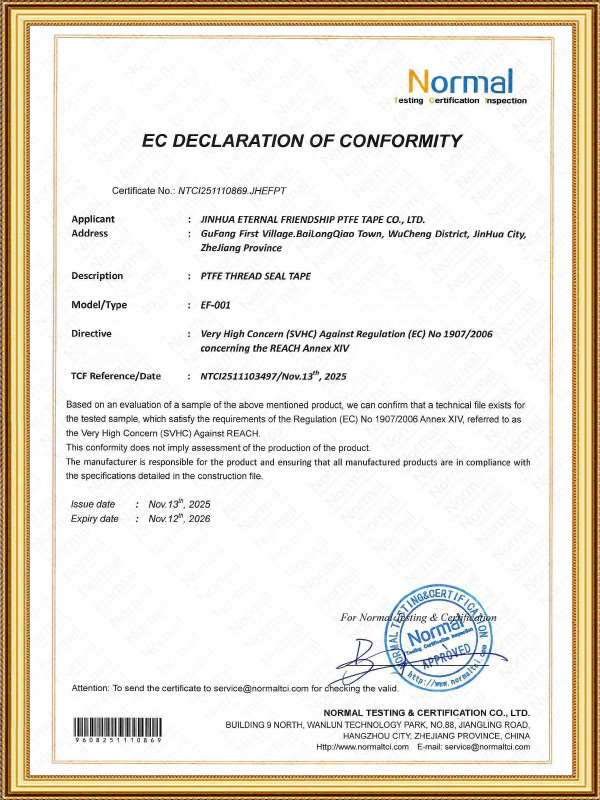
As a sealing material for high-risk gases, compliant yellow PTFE tape is designed and tested according to rigorous standards set by organizations such as the International Fuel Gas Code (IFGC) or UL. This provides technicians and inspectors with a clear visual cue that the connection meets established safety and regulatory requirements.