 English
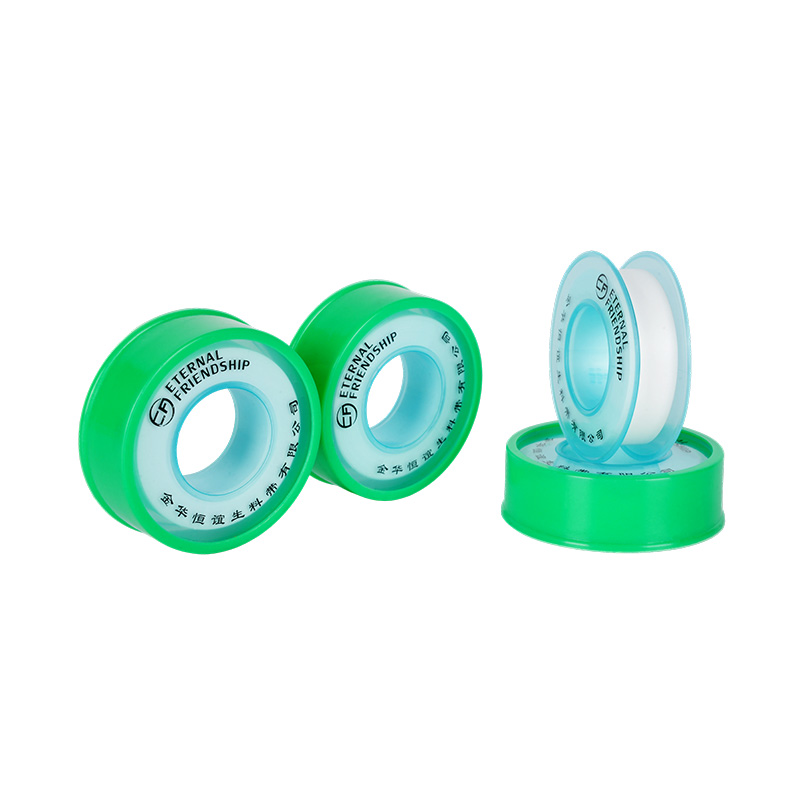
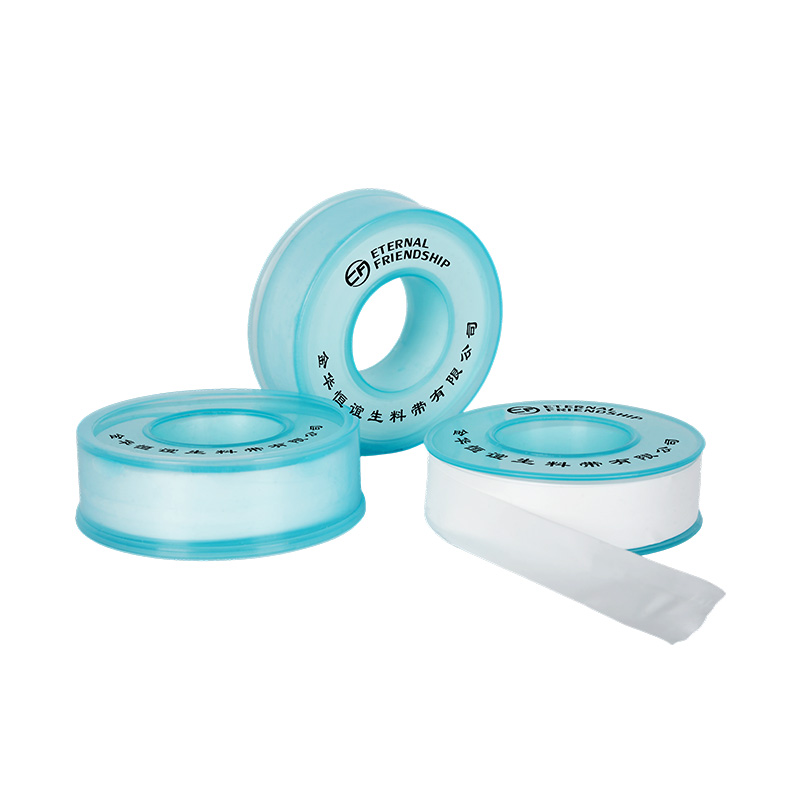
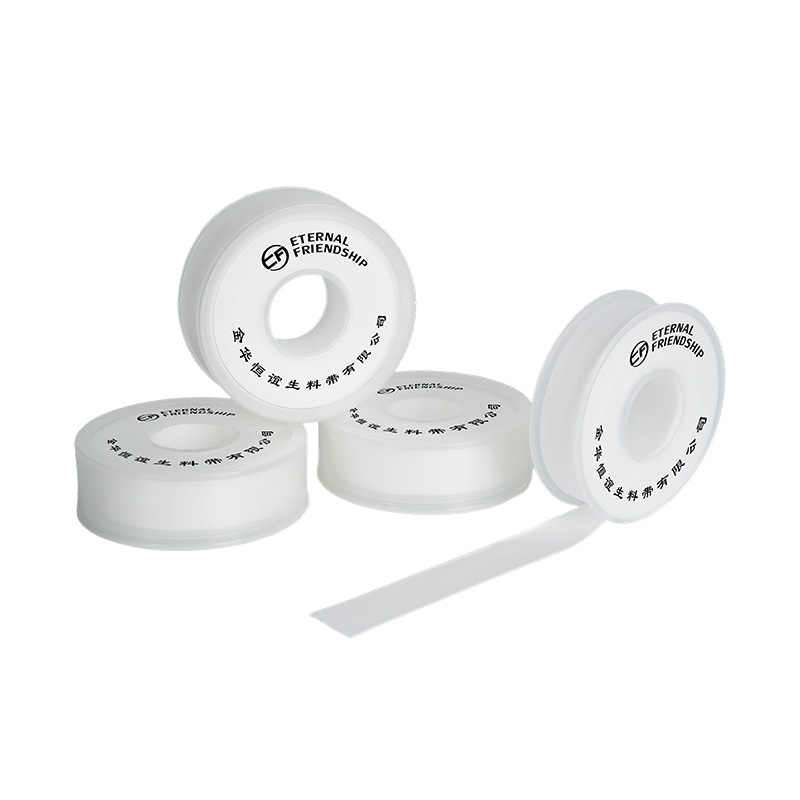
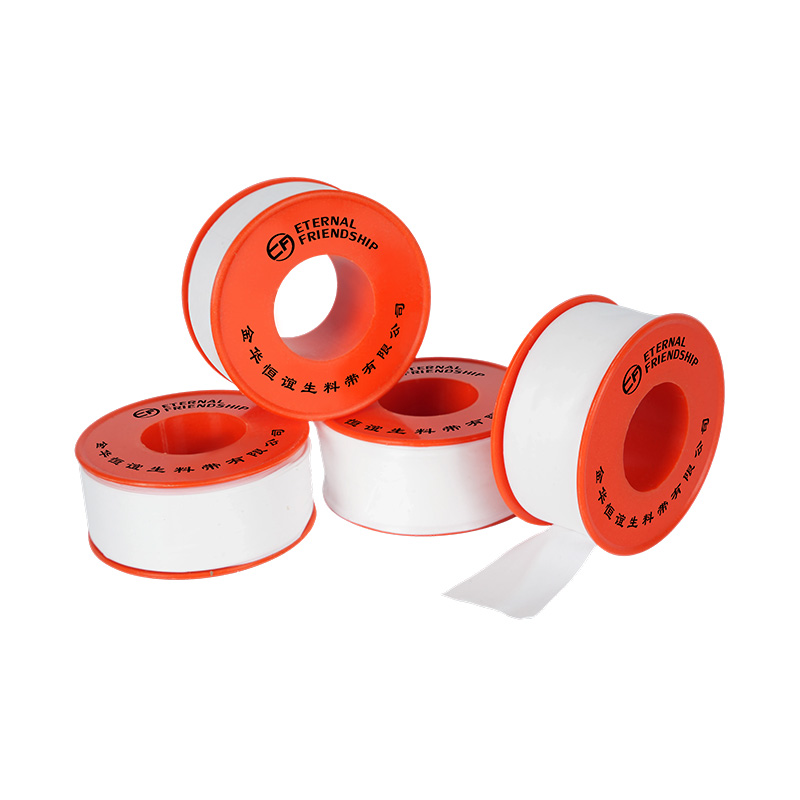
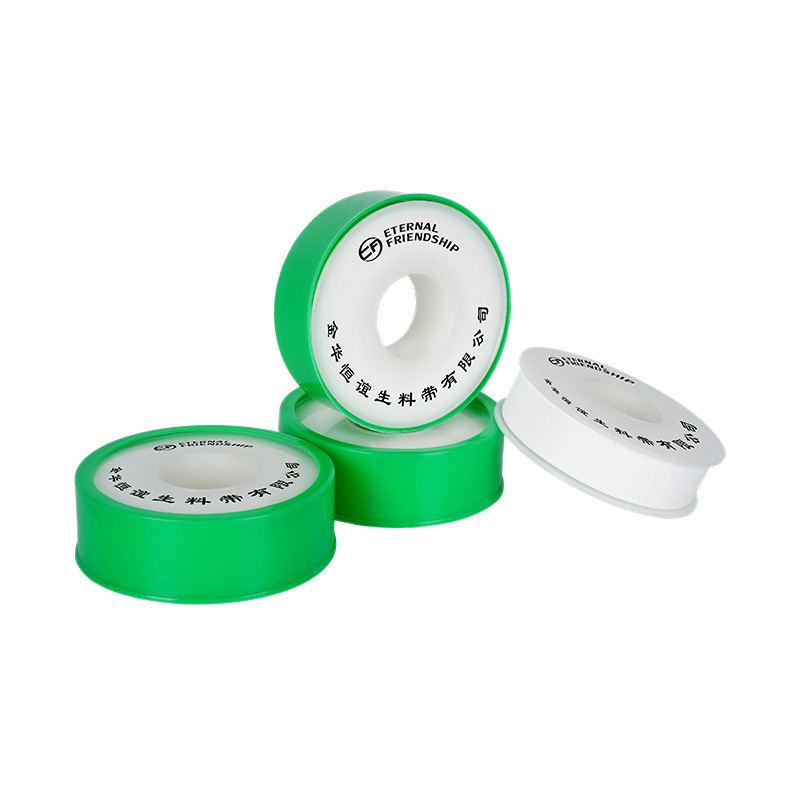
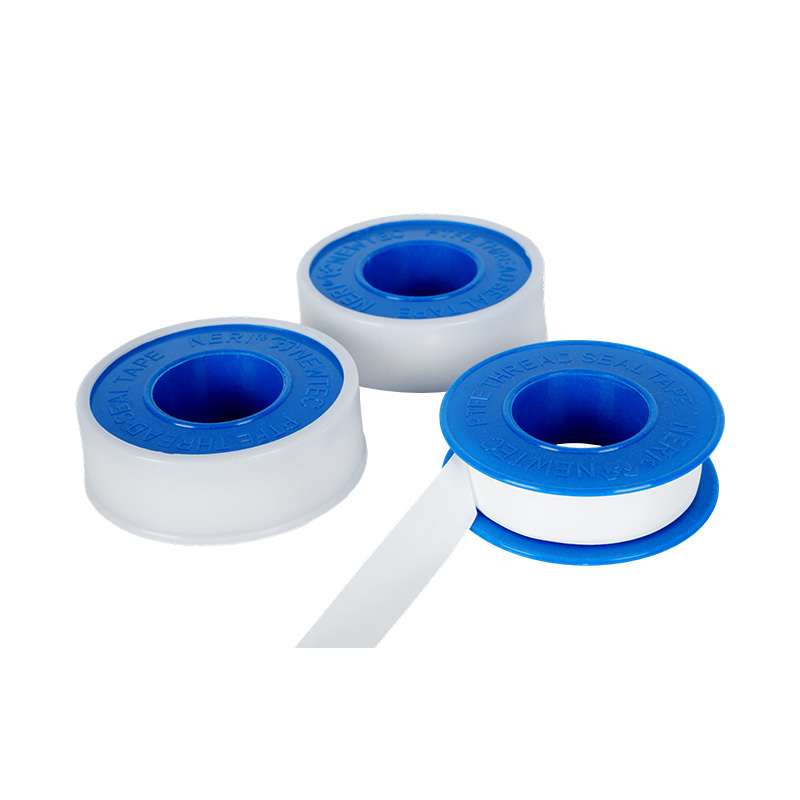
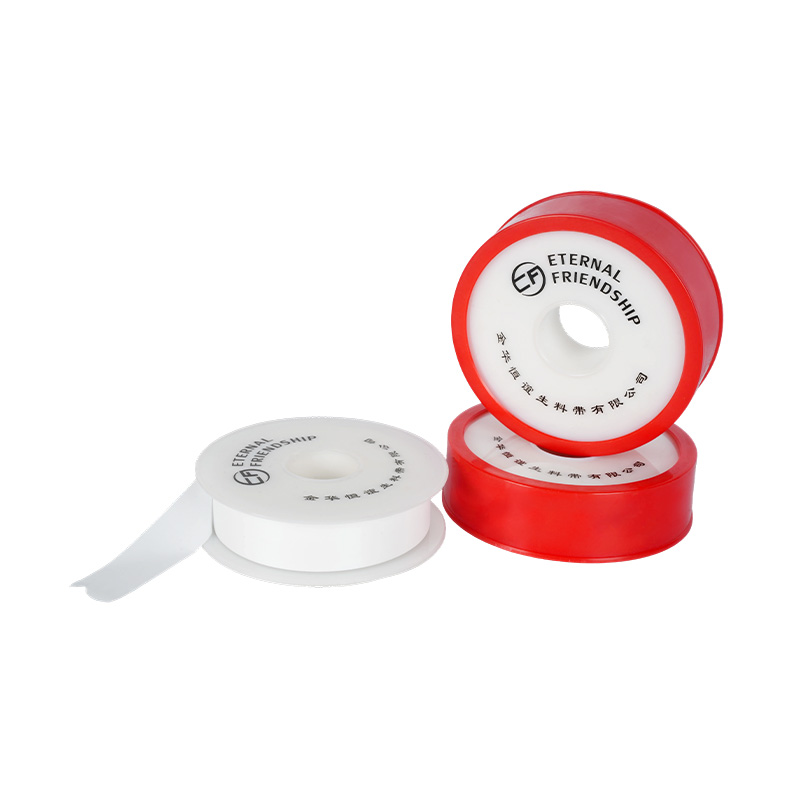
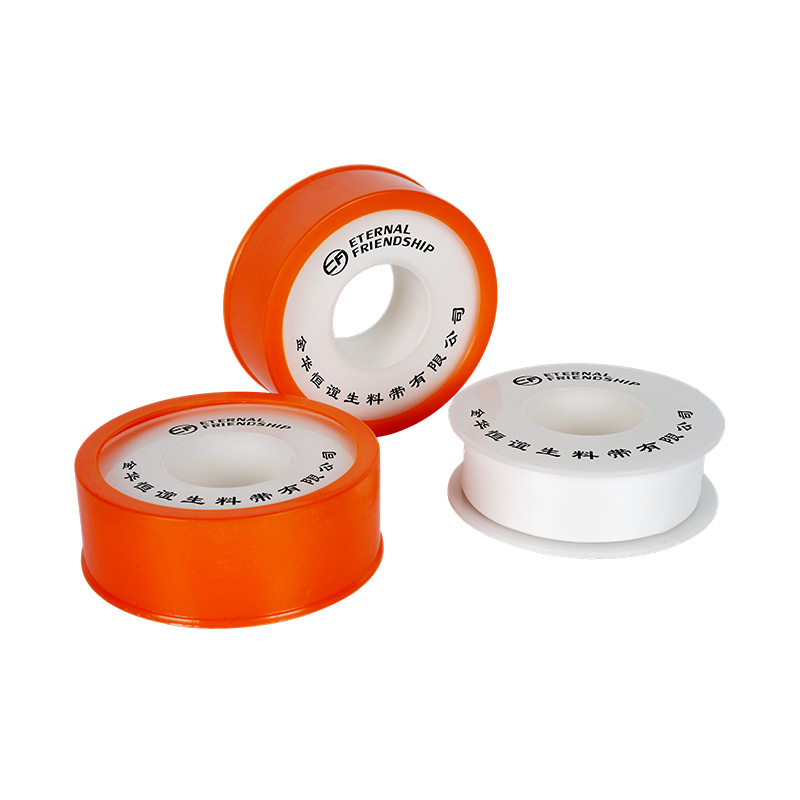
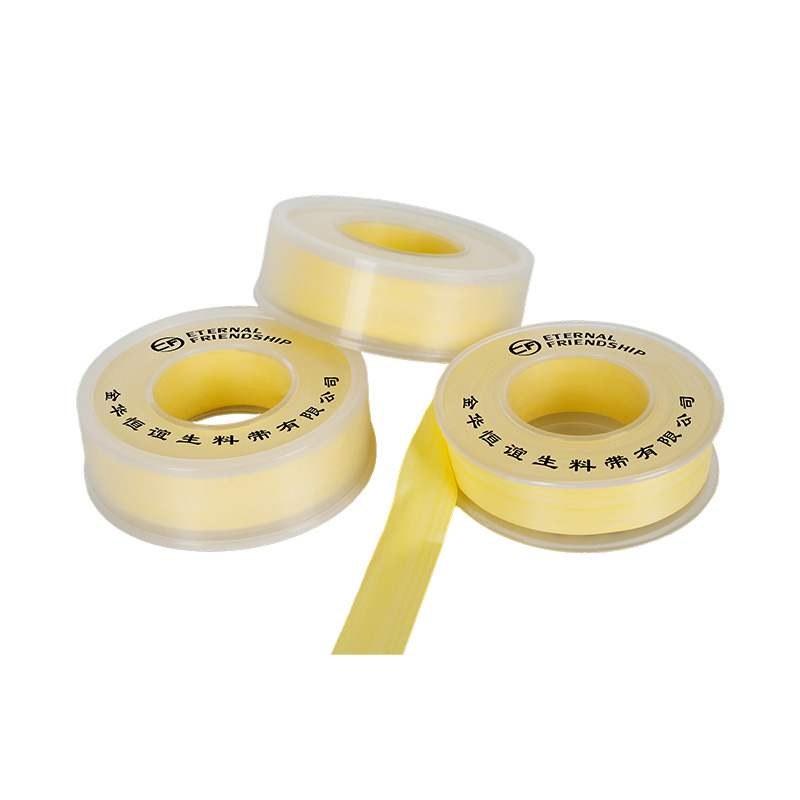
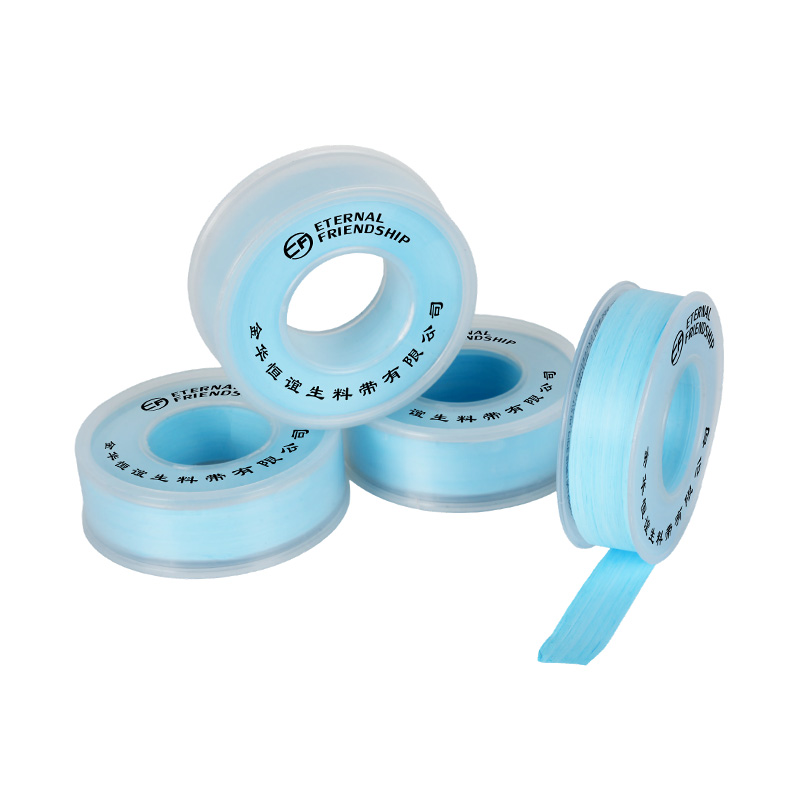
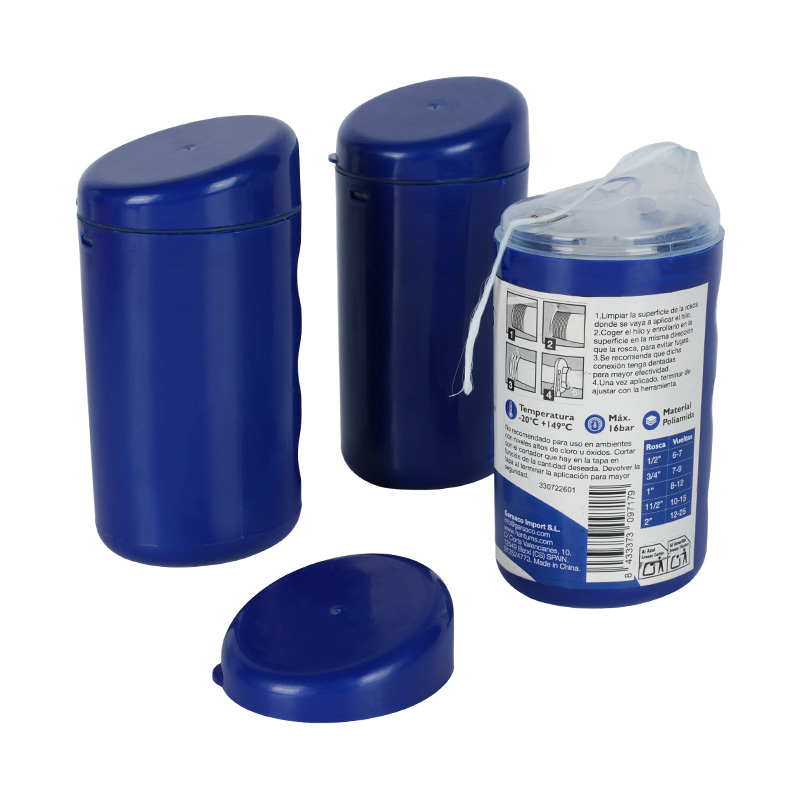
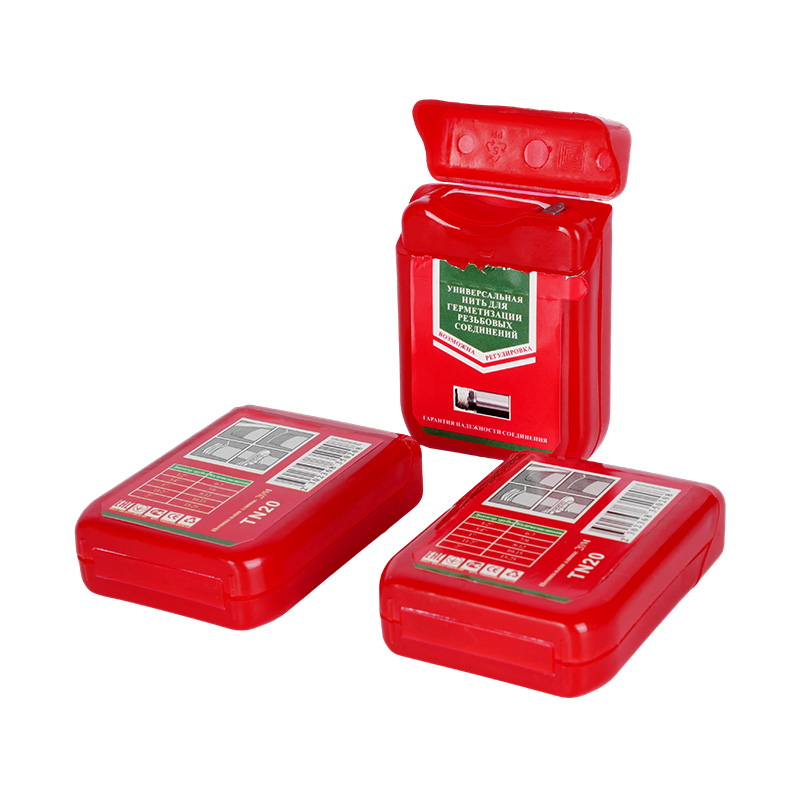
Pipeline sealing tapes used for valves (such as PTFE thread seal tape and viscoelastic anti-corrosion tape) are critical materials for ensuring the safe and stable operation of valve and piping systems. Based on their material properties and the actual operating conditions of valves, these tapes exhibit the following key characteristics:
1. Superior flexibility and ability to fill microscopic gaps
Valve threaded connections or flange faces often feature tiny pits, grooves, or signs of wear. High-quality valve sealing tapes (such as those made of expanded PTFE) possess exceptional flexibility and moldability, allowing them to easily fill and seal these internal voids. They maintain a tight fit even when subjected to vibrations caused by valve operation, effectively eliminating the hassle associated with replacing or repairing old valves.
2. Excellent chemical corrosion resistance and aging resistance
Valves are frequently used in environments involving complex media, such as in the chemical, petroleum, and water treatment industries. Valve sealing tapes offer extremely high chemical stability, resisting corrosion from strong acids, strong alkalis, organic solvents, and various hazardous chemicals. Furthermore, they do not age, harden, or become brittle over time, providing long-lasting protection from a single application.
3. Outstanding temperature resistance and environmental adaptability
Valve sealing tapes function effectively across a wide temperature range (for instance, PTFE-based tapes can withstand extreme temperatures from -190°C to 260°C). Whether used in high-temperature steam pipelines or in freezing environments, they maintain stable physical properties, ensuring leak-free performance—preventing both liquid and gas leaks—at valve connections.