 English
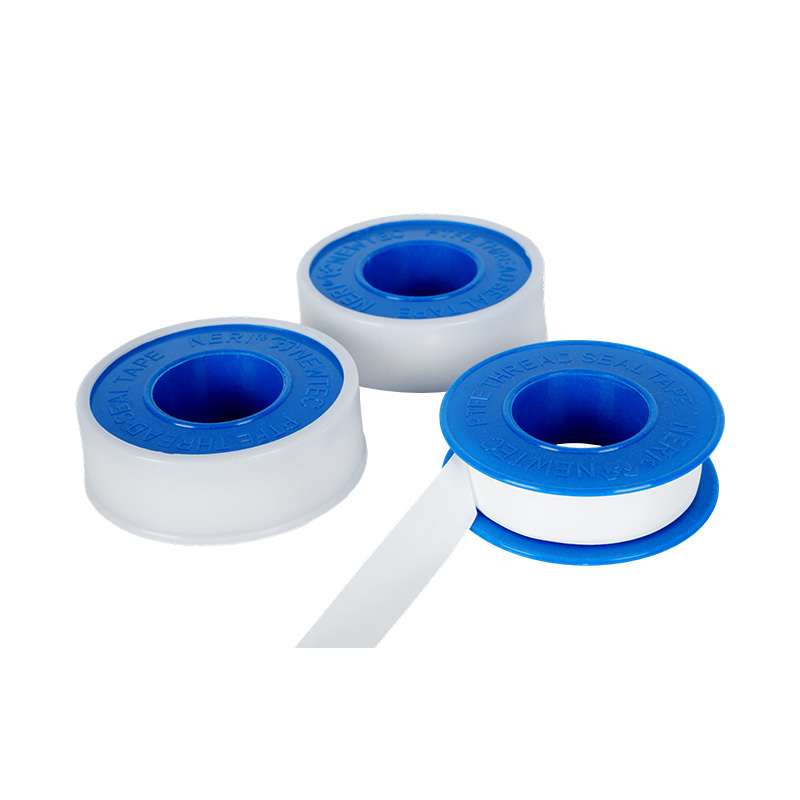
Standard PTFE (Teflon) tape is often inadequate for sealing pipe threads on hydraulic fittings. Because hydraulic systems typically involve high pressures, intense vibrations, and fluid surges, conventional tape is prone to shredding, blowout, or creep failure, leading to leaks or even system blockages. Consequently, the industry typically employs liquid thread sealants (anaerobic adhesives) or high-density industrial-grade sealing tapes to address this challenge. Tailored to hydraulic operating conditions, these specialized sealing materials offer the following key characteristics:
1. Superior High-Pressure and Shock Resistance
Hydraulic systems operate at extremely high pressures and are often subject to pressure pulses. Specialized pipe thread sealants (such as anaerobic types) cure to form a dense, solid polymer capable of withstanding immense sealing pressures—with some grades rated up to 65 MPa (or over 10,000 psi)—effectively resisting the impact of high-pressure hydraulic fluid without leaking.
2. Powerful Locking Capability Against Loosening and Vibration
Hydraulic equipment generates intense mechanical vibration during operation. Unlike traditional PTFE tape, which relies solely on physical filling and offers no anti-loosening function, liquid thread sealants cure to firmly lock the threaded assembly. This effectively prevents joint loosening caused by vibration and shock, significantly reducing equipment failure rates.
3. Excellent Resistance to Oil and Chemical Media
Hydraulic fittings are frequently exposed to media such as hydraulic fluids and lubricants. High-quality hydraulic sealants exhibit outstanding chemical resistance, remaining stable during prolonged immersion in various oils without swelling, degrading, or failing, thereby ensuring the seal's service life aligns with the equipment's operational cycle.