 English
Core Advantages
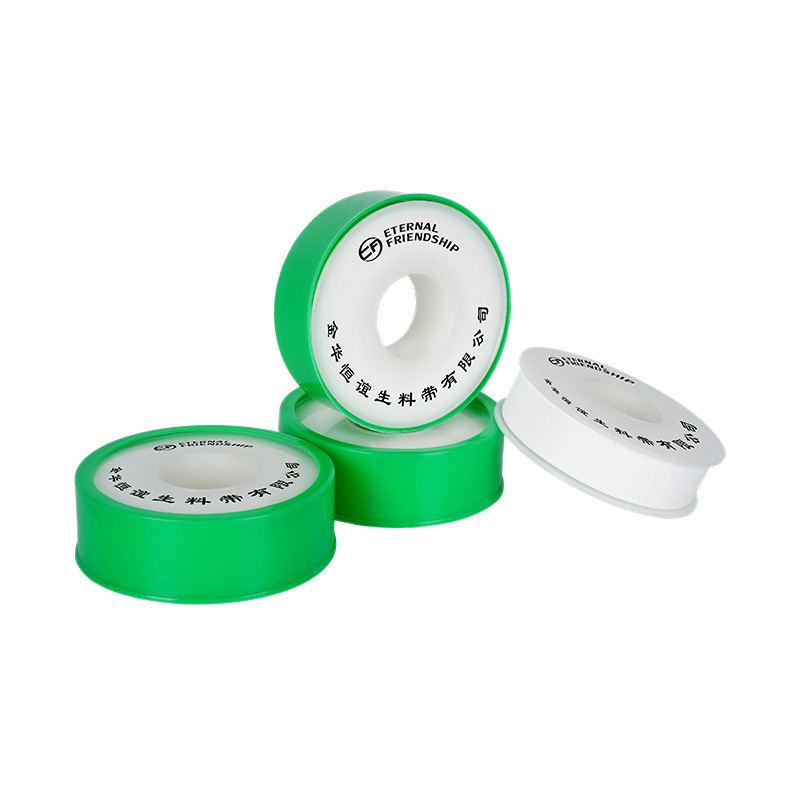
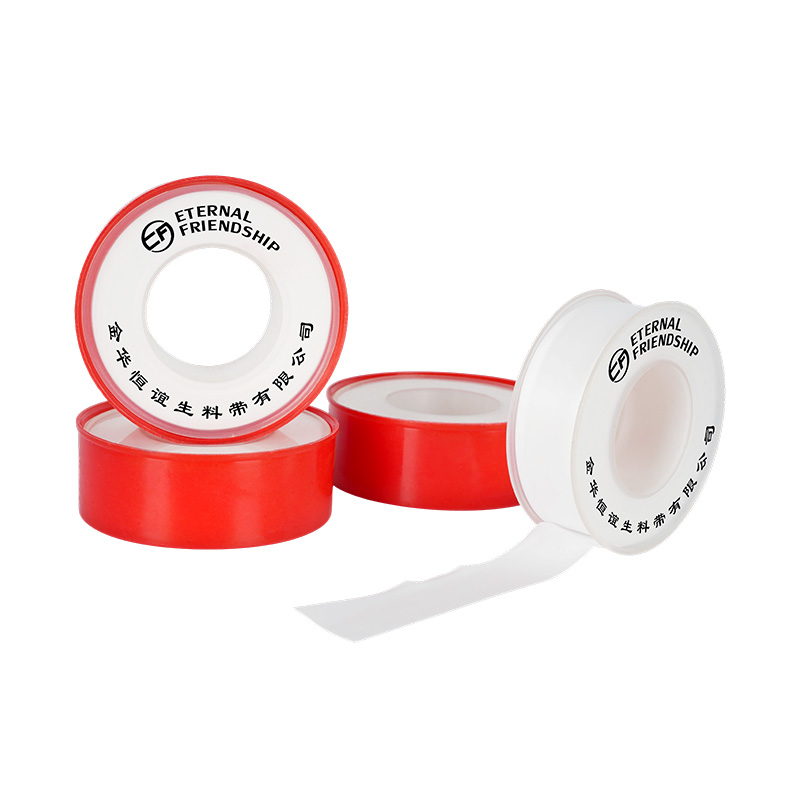
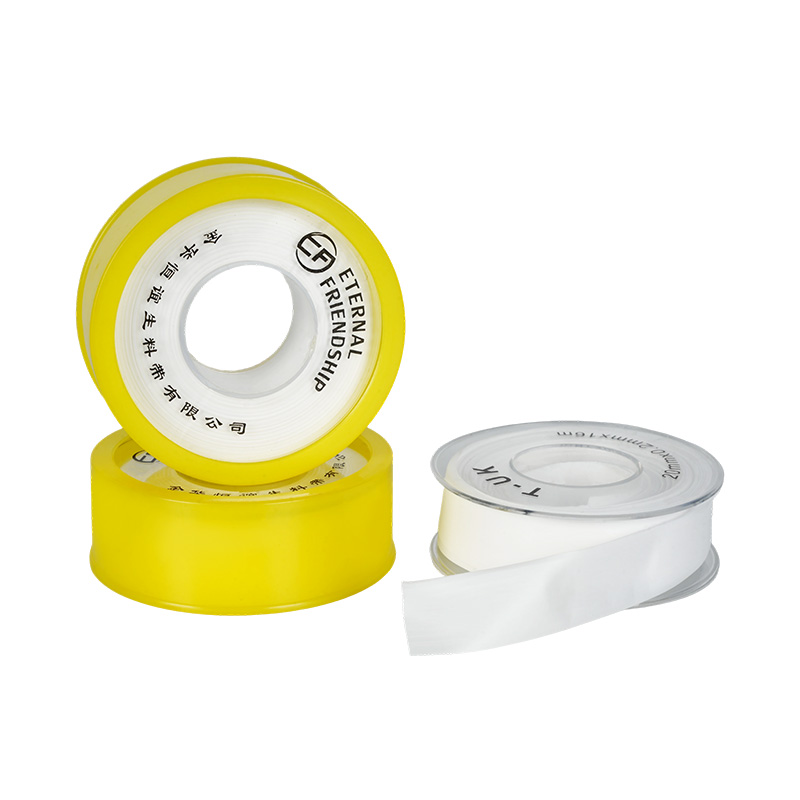
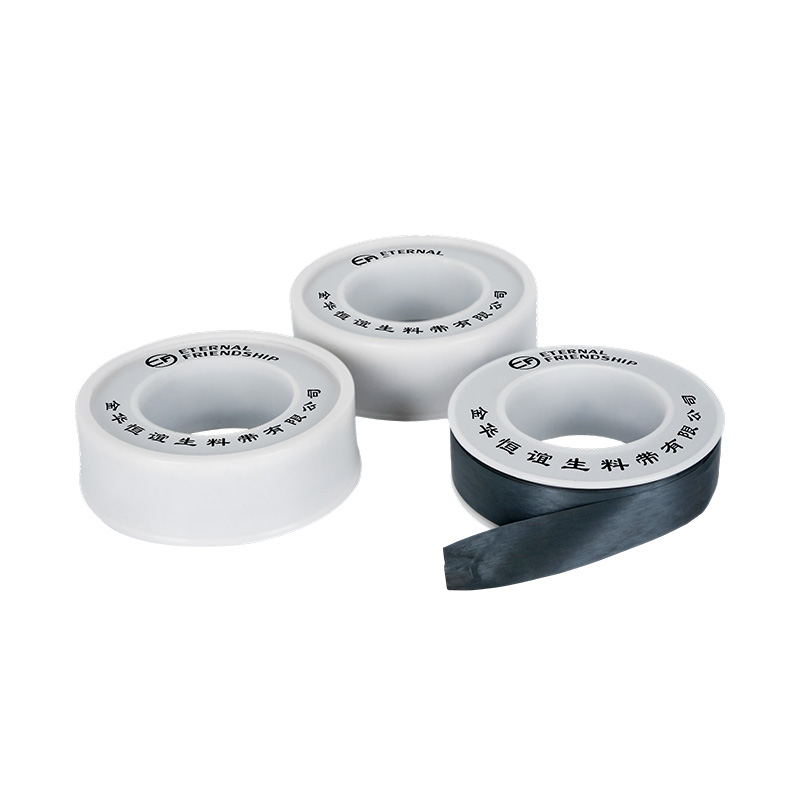
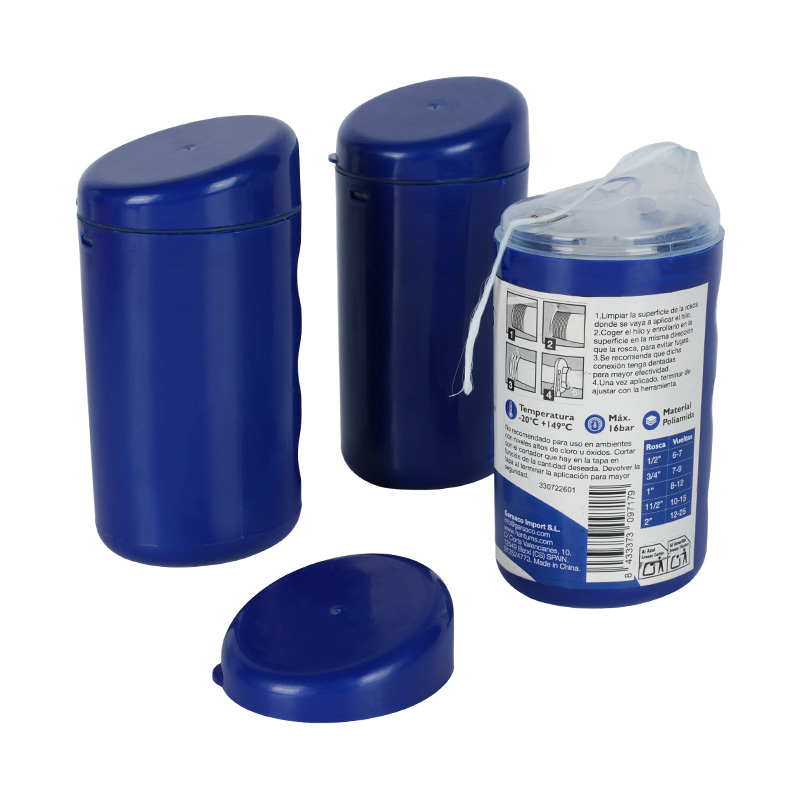
The core advantages of the Thread Sealing Cord for Fitting lie in its superior sealing performance and broad applicability. Featuring a high-strength sealing fiber structure, the product effectively fills gaps created during the threading process, ensuring a tight fit between the sealing material and the thread surfaces. Upon tightening, the cord compresses under thread pressure to form a stable barrier, effectively preventing leaks of water, air, gases, and industrial fluids.
The product offers significant advantages in terms of installation efficiency and ease of use. Unlike traditional sealing materials that require repeated adjustments or curing time, this sealing cord is simply wrapped around the threads in the correct direction. It requires no extra tools or drying time, allowing for immediate use.
Product Features
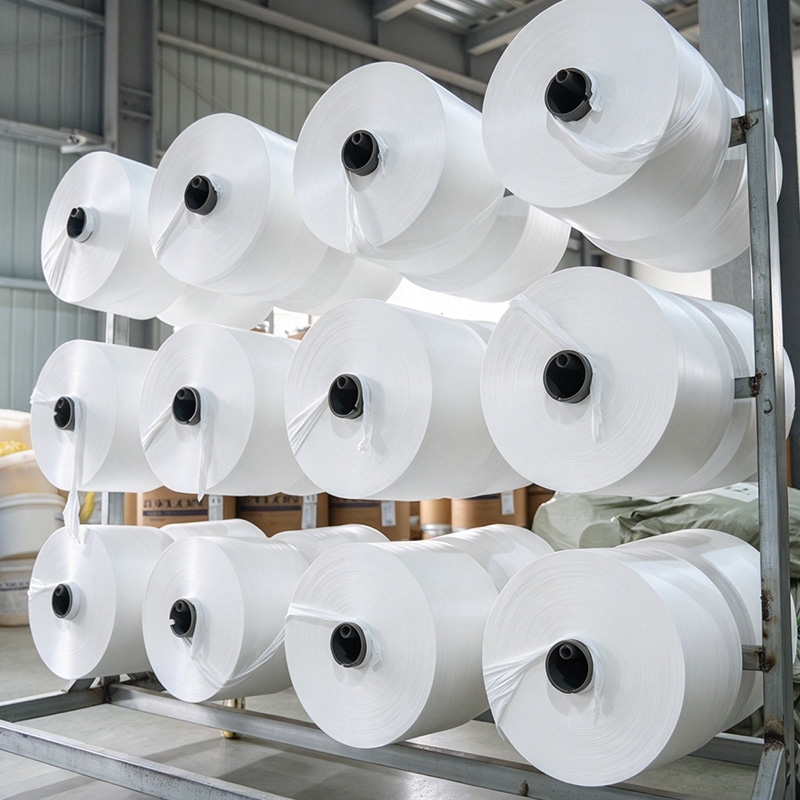
The Thread Sealing Cord for Fitting boasts excellent material properties and consistent performance. Manufactured from high-performance fibers, it offers superior tensile strength, wear resistance, and flexibility; it resists breaking or detaching during installation, maintaining the integrity of the seal. Compared to traditional sealing methods, it covers the threaded area more uniformly, reducing the risk of leaks caused by uneven application.
The cord also exhibits excellent temperature and chemical resistance, meeting the demands of long-term use in diverse industrial environments. It is suitable for applications involving water, air, compressed gas, and various industrial fluids, maintaining stable performance despite thermal cycling or fluctuations in operating pressure. It leaves no liquid runoff or residue, ensuring a cleaner, more convenient installation process—ideal for industrial settings with strict cleanliness requirements.
Applications
The Thread Sealing Cord for Fitting is widely used in applications requiring sealed threaded connections. In industrial piping systems, it is suitable for connecting production equipment lines, compressed air systems, water supply lines, and gas transport pipelines, effectively enhancing sealing reliability and reducing equipment downtime or maintenance issues caused by joint leaks. In mechanical manufacturing, it is used for threaded connections in pumps, valves, hydraulic equipment, pneumatic components, and automation machinery, providing stable sealing protection for the equipment. This product is widely used in construction projects and HVAC systems, including air conditioning piping, heating equipment, hot and cold water circulation systems, and fire protection piping. Thanks to its excellent temperature resistance and long-term stability, it meets the sealing requirements for the long-term operation of building systems.
FAQs & Solutions
Some users may experience suboptimal sealing results when using the Thread Sealing Cord for Fitting. Common causes include an insufficient number of wraps, dust or oil on the thread surfaces, or wrapping the cord in the wrong direction. If a minor leak occurs after installation, first check that the threaded connection is clean and the cord fully covers the threaded area; then, increase the amount of cord used as appropriate for the pipe diameter and thread specifications. Additionally, the cord must be wrapped in the direction of tightening; otherwise, it may loosen or shift during the tightening process, compromising the final seal.
Important Notes
To ensure optimal sealing performance, strictly follow the correct installation procedures when using the Thread Sealing Cord for Fitting. Before installation, clean the threads to remove dust, oil, rust, and other impurities; keeping the connection area clean ensures a proper fit between the sealing material and the threads. Maintain appropriate tension during wrapping so the cord sits snugly against the threads; avoid wrapping too loosely or too thickly, as this can make installation difficult or reduce sealing effectiveness.